
Visas for Spain are essential for non-EU citizens who want to live, study, invest or work legally in the country. Each visa type responds to a specific purpose, with different benefits, timelines and requirements.
Knowing which visa fits your situation isn’t always easy. Spain offers more than ten long-stay visa categories. But applying for the wrong one, or misunderstanding the process, can cause serious delays or even rejection.
Let’s break it all down: which visas exist, how much they cost, and what you need to prepare before applying.
What kind of visas are available for Spain?
There’s no one-size-fits-all solution. The visa you need depends on what you plan to do in Spain: work, study, invest or simply live without working.
Here’s a quick classification:
- Work visas: for employed and self-employed professionals.
- Non-lucrative visa: for those who won’t engage in economic activities.
- Golden visa: for investors in real estate or business.
- Entrepreneur visa: for innovative business projects.
- Student visa: for academic programs and unpaid internships.
- Digital nomad visa: for remote workers.
- Family visas: for reunification or EU family members.
Table: Most common visas and their purposes
| Visa type | Purpose | Work allowed | Minimum stay |
|---|---|---|---|
| Work (employed) | Contract with a Spanish company | Yes | 1 year |
| Self-employed | Start your own business | Yes | 1 year |
| Non-lucrative | Live without working | No | 1 year |
| Golden Visa | Investment in Spain | Optional | 1 year |
| Digital Nomad | Work remotely for a foreign company | Yes | 1 year |
| Student | Study or research | Limited* | Duration of program |
| Family Reunification | Join a legal resident or EU relative | Depends | 1 year |
* Since 2022, students can work up to 30 hours per week.
How much do visas for Spain cost?
Visa fees vary by type and by nationality. As a general guide, most long-stay visas cost between €80 and €265, depending on the processing involved. But that’s only the government fee. You must also consider costs for:
- Document translation and legalisation
- Private health insurance
- Proof of income or investment
- Police clearance certificates
- Medical certificates
Table: Estimated costs for selected visas
| Visa type | Government Fee | Other Costs (est.) | Total Est. Cost |
|---|---|---|---|
| Work visa | €80–€125 | €300–€800 | €400–€900 |
| Non-lucrative | €60–€90 | €1,000–€3,000 (funds) | €1,100–€3,100 |
| Golden visa | €265 | €500,000+ (investment) | €500,265+ |
| Student visa | €60–€100 | €500–€1,000 | €600–€1,100 |
| Digital Nomad | €80–€150 | €700–€1,200 | €800–€1,350 |
Keep in mind that costs for dependents or family members must be added separately.
How do I apply for a Spanish visa?
The process differs depending on whether you apply from abroad or already reside in Spain legally. In most cases, these are the main steps:
Step 1: Choose your visa type
Define your purpose clearly. Each visa has exclusive rules and entry points. You cannot “switch” visas once inside Spain without formal modification.
Step 2: Collect all required documents
These often include:
- Passport (valid and with blank pages)
- Criminal record certificate
- Medical certificate (within 90 days)
- Proof of income or investment
- Health insurance valid in Spain
- Translations and apostilles
Step 3: Apply at the Spanish consulate or online
Most first-time applications must be made in your country of residence. Some exceptions apply (e.g. digital nomad and entrepreneur visas allow in-country applications if already in Spain legally).
Step 4: Wait for approval
Processing time varies. In general, expect 1 to 3 months. Some visas, like the Golden Visa, offer faster pathways.
Step 5: Enter Spain and get your TIE
Once approved, enter Spain within the deadline (usually 90 days). Within 30 days of arrival, request your residence permit card (TIE).
Can I bring my family?
Yes, but the rules vary depending on the visa type and your legal status in Spain.
Some visas, like the non-lucrative, student or digital nomad visas, allow your family members to apply at the same time as you. In these cases, your spouse, registered partner and dependent children can obtain their residence permits under your main application. But they must also meet financial and insurance requirements. You’ll need to show proof of income or savings high enough to support everyone.
Other visas, such as work permits, usually require you to complete one full year of legal residence before applying for family reunification. This process involves additional documentation: housing certificates, tax records, and proof of the family relationship. Processing times can take several months, and appointments at the consulate must be carefully scheduled.
For those with EU nationality, the EU Family Card (Tarjeta Comunitaria) is a faster, more flexible path. It allows spouses, unmarried partners, children under 21, and dependent parents to live and work in Spain. The only condition is to prove the family link and show that the EU citizen meets the minimum economic requirements.
Each family situation is different. That’s why understanding the exact route before starting the process avoids delays or denials.
What if I want to work and study?
The Spanish system now offers more flexibility for international students and professionals. Since the 2022 reform, students can legally work up to 30 hours per week without needing a separate work permit. This allows you to gain experience and support yourself financially while completing your studies.
The job must be compatible with your academic schedule. You cannot skip classes or delay your academic progress. But within those limits, you can work anywhere in Spain and even renew contracts without extra paperwork.
Once your studies end, the transition is also smoother. You can now switch from a student visa to a work permit without waiting three years in Spain, as required before. This change helps you stay legally in the country and join the labour market directly.
If you want to combine employment and self-employment, Spain now lets you request both authorisations in a single application. You no longer need to justify that both activities are compatible. This is ideal for freelancers who also accept short contracts or consulting work.
These changes open new paths—but only if you plan ahead and meet each requirement. That’s why early guidance makes the difference between a smooth transition and an expired permit.
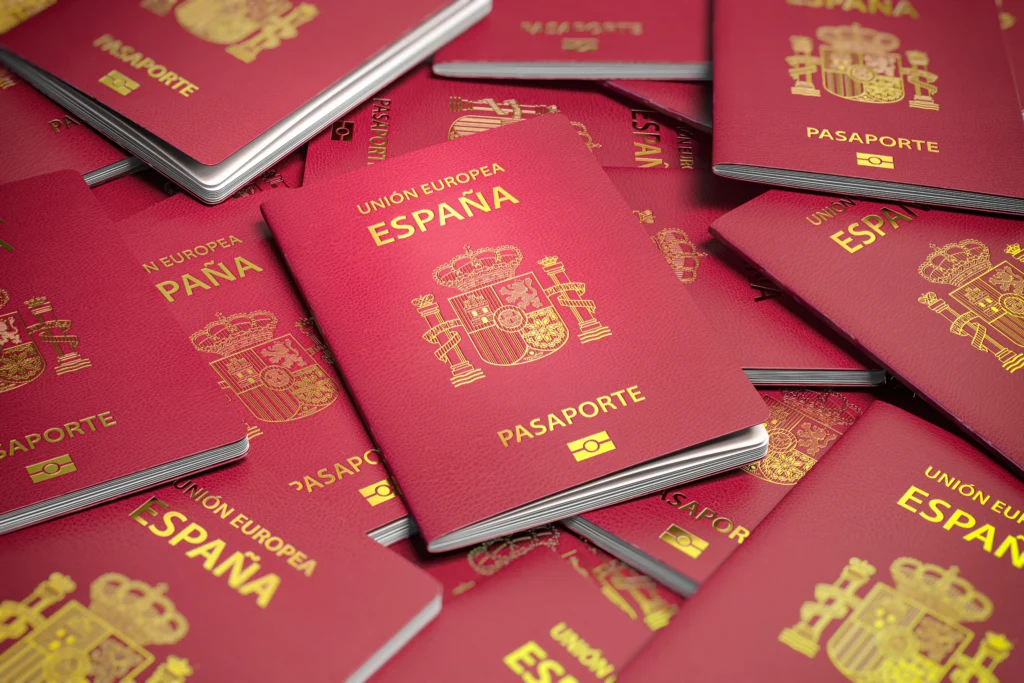
Frequently asked questions about visas for Spain
Can I apply for multiple visas for Spain at the same time?
No, you must choose a specific visa path. Spanish immigration law doesn’t allow simultaneous applications for different visa types. Each visa corresponds to a legal status and has its own conditions. For example, applying for a non-lucrative visa and a work visa at the same time would create a contradiction: one forbids working, the other requires it. If your situation changes, you may request a modification later, but always from the correct starting point. Clarity at the beginning saves months of correction later.
Are visas for Spain easier to obtain for Latin American citizens?
Yes, in many cases. Nationals from Latin American countries benefit from certain advantages in Spanish immigration procedures. For example, they often have shorter residency requirements to apply for Spanish nationality—just two years in most cases. In visa terms, their cultural and linguistic ties may speed up document processing or simplify consular requirements. However, this doesn’t mean automatic approval. Each visa still requires proof of income, clean criminal records, and compliance with the legal framework.
Can I switch between different visas for Spain without leaving the country?
Sometimes, but it depends on your current visa and legal status. Spanish law allows certain in-country modifications. For example, students can switch to a work visa after completing their studies, and digital nomads can apply for residency extensions. However, not all visa types can be modified internally. If you entered on a tourist visa and want to apply for a non-lucrative visa, you must leave Spain and apply from your country of residence. Always check the exact conversion paths allowed before assuming a transition is possible.
How long do visas for Spain allow me to stay before renewal?
Most long-stay visas grant an initial stay of one year. After that, you must renew or modify your residency. Renewal periods vary: some allow two-year extensions, others require reapplication. The Golden Visa offers longer durations with fewer restrictions, but requires continued investment. Student visas last the length of your studies, while work permits depend on your contract. Renewals require updated documents, proof of legal residence, and in many cases, proof of continued economic means or employment.
What laws or institutions regulate visas for Spain?
Visas for Spain are primarily regulated by Organic Law 4/2000 on the rights and freedoms of foreigners in Spain, and by its Implementing Regulation, approved by Royal Decree 557/2011. Other relevant rules include Royal Decree 629/2022, which introduced recent reforms for digital nomads, students and workers. Applications are processed by the Spanish consulates abroad and, once inside Spain, by the Oficinas de Extranjería. In some cases, the Ministry of Inclusion, Social Security and Migration sets the national policy guidelines. Each visa type may also involve sector-specific bodies, such as education or commerce authorities.
Why legal advice changes everything
Spain offers many visa options, but the legal details behind each one can be complex. Misunderstanding the requirements or deadlines often leads to denial.
Many applicants overestimate their knowledge of Spanish bureaucracy. They download the forms, book an appointment, and assume it’s done. But visas for Spain are more than just paperwork—they’re a legal gateway. One translation error or missing stamp can ruin the process.
If you’re planning to move, study, invest or reunite with family in Spain, take your first step with a clear strategy. Know your visa category. Understand the rules. Prepare properly. And make sure your application reflects your real goal.
For those who want peace of mind, Immigration Lawyer Barcelona offers expert guidance throughout the entire visa journey. Their experience can help you avoid costly mistakes and streamline the process from start to finish. When precision matters, working with professionals makes all the difference.