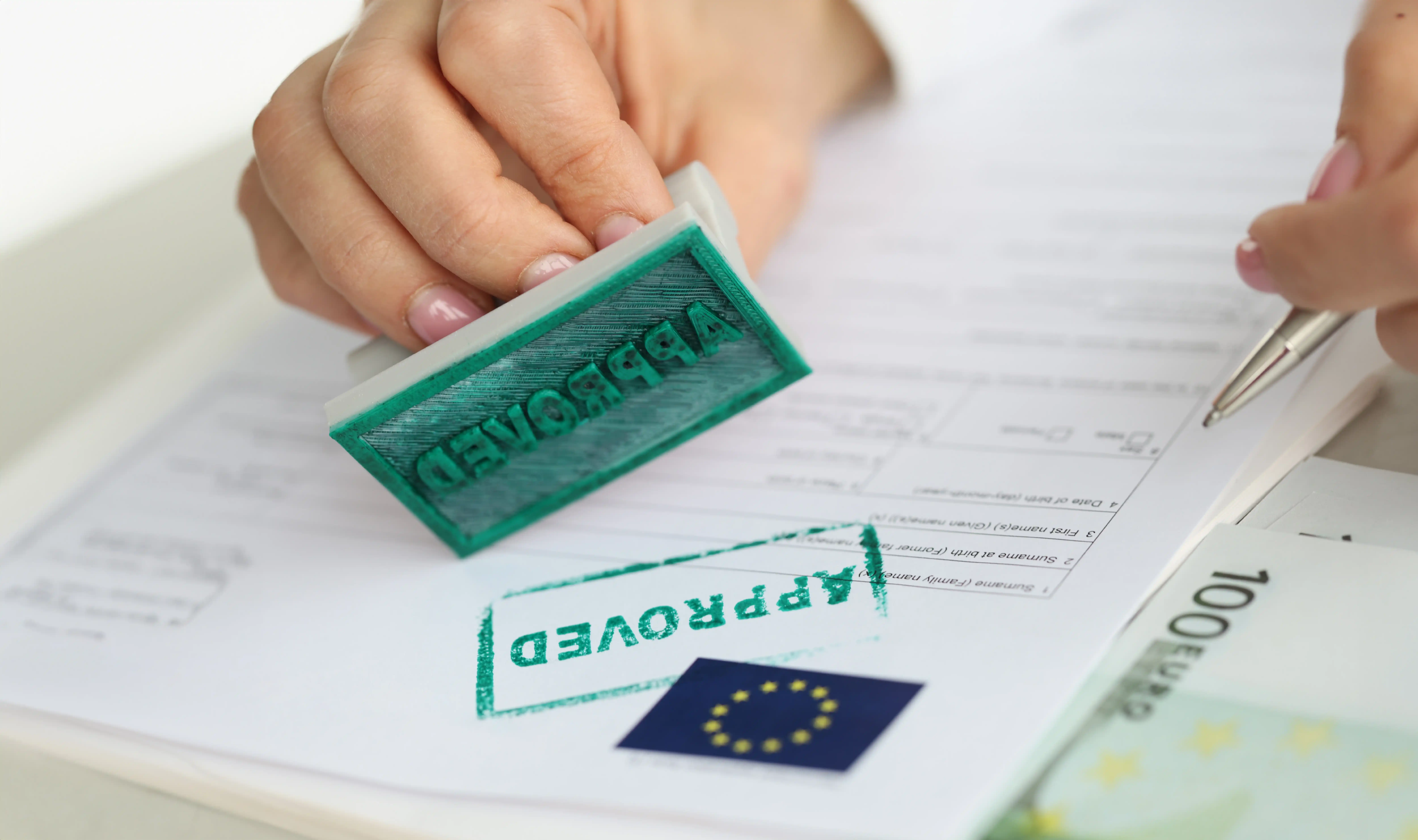
The Spanish NIE (Número de Identificación de Extranjero) is the personal identification number assigned to foreigners interacting with Spain for legal, financial, or administrative purposes. It is essential for both residents and non-residents.
If you’re planning to buy property, open a bank account, or sign a contract in Spain, you will need this number. It doesn’t matter whether you live in Spain or abroad. Without the NIE, most legal procedures are simply impossible.
What exactly is the Spanish NIE?
The NIE is a sequential number issued by Spanish authorities to identify foreigners in the country. It functions as your tax ID and legal identifier. You need it for almost everything: buying a car, filing taxes, or getting utility services.
There are two main types of NIE:
| Type of NIE | Who needs it | Validity |
|---|---|---|
| Resident NIE | Foreigners legally residing in Spain | Indefinite with valid residence |
| Non-resident NIE | Foreigners with ties to Spain but no residence | 3 months (renewable if needed) |
Both types share the same structure and legal value. The number itself never changes, even if your circumstances do.
When and why do you need the NIE?
You will need a Spanish NIE if you want to engage in legal, economic, or social activities in Spain. This includes short-term matters and long-term plans.
Some of the most common scenarios:
- Purchasing property or signing a rental contract
- Opening a Spanish bank account
- Setting up a business or investing
- Filing tax returns
- Registering with public services
You must request the NIE before initiating these actions. Otherwise, authorities may reject your applications or delay your procedures.
Who can apply for the NIE?
Any foreigner with a justified reason can request it. You don’t need to reside in Spain to obtain the non-resident NIE. You simply need to prove why you need it.
Valid reasons include:
- Formal employment or self-employment
- Real estate transactions
- Inheritance or donation procedures
- Enrollment in studies or research programs
- Legal representation or litigation in Spain
If you’re staying for more than 90 days and plan to reside, you must apply for the resident NIE.
What documents do you need?
Documentation varies slightly depending on your nationality and where you apply. However, the base requirements remain similar.
| Document | Required for NIE application |
|---|---|
| Completed EX-15 form | Yes |
| Valid passport or national ID | Yes |
| Proof of appointment (if in Spain) | Yes |
| Written justification of the request | Yes |
| Paid tax fee (Modelo 790, code 012) | Yes |
All foreign documents must be translated into Spanish. Some require legalisation or apostille, depending on their origin.
Where to request the NIE
You can request your Spanish NIE either from within Spain or abroad. Both options are valid, but procedures and timelines differ.
If you are in Spain:
- Apply at a Police Station with an immigration department
- Request an appointment online through the official system
- Submit documents and pay the fee before your appointment
If you are outside Spain:
- Apply through a Spanish consulate in your country
- Submit documents in person or by postal mail
- Some consulates allow authorising a legal representative in Spain
Using a power of attorney, someone else can apply on your behalf from Spain. This is common when dealing with real estate or inheritance.
How long does it take to get a Spanish NIE?
Processing time depends on where you apply and current demand. The NIE itself can often be issued on the same day in Spain. But the real delay usually comes from securing the appointment.
Estimated timelines:
| Place of application | Average time to get NIE |
|---|---|
| In Spain | Same day to 5 business days |
| From abroad | 1 to 4 weeks via consulate |
| Through representative | 1 to 10 days, depending on region |
We recommend checking with local offices for updated availability. Some cities like Madrid or Barcelona often experience longer delays.
How much does it cost?
The Spanish NIE request involves a fixed administrative fee. As of now, the official amount is €9.74, paid using Modelo 790 (code 012). This isn’t optional—you must pay before your appointment. If you don’t, the authorities won’t even look at your documents.
To do it right, first download the form from the official portal, fill it in online, and print two copies. Bring them to any Spanish bank and pay in person. Some banks allow payment by card, while others only accept cash. Always check ahead.
After payment, the bank will stamp your receipt. This stamped proof must go with your application file. No receipt, no NIE.
Also, this fee only covers the basic NIE issuance. If you hire a representative or need translations, power of attorney, or postal services, your total cost will increase. That’s why it’s important to budget for the full process—not just the official tax.
Can the NIE expire?
The Spanish NIE number itself never expires. Once assigned, it stays with you for life—no matter if your status in Spain changes over time. Whether you go from tourist to resident, or leave the country and return years later, the number remains valid.
What does expire is the certificate that proves your NIE, especially for non-residents. This document is typically valid for three months. After that, if you still need to use your NIE—for a property purchase, inheritance, or legal transaction—you must renew the certificate.
Renewal requires justification. You’ll need to show that the reason for holding the NIE remains valid and provide fresh documentation to support your case. If not renewed in time, an expired NIE certificate can block procedures at banks, notaries, or government offices.
Also, some institutions in Spain treat expired certificates as invalid—even if the NIE number is still technically active. That can cause unnecessary delays. To avoid issues, plan ahead and renew before expiration if you anticipate further use.

Frequently asked questions about the Spanish NIE
Can I apply for the Spanish NIE if I’m only visiting Spain?
Yes, you can. Many people apply for the Spanish NIE even if they are in the country temporarily. This is common for those who want to buy property, set up a business, or sign a contract during a short visit. You don’t need a residence permit to request a NIE. However, you must justify your need and follow the correct procedure, either in Spain or through a consulate abroad. Timing and preparation are key to avoiding setbacks.
What happens if I make a mistake in my Spanish NIE application?
A small error—wrong document, missing justification, or unpaid fee—can stop the process entirely. Spanish authorities expect a clear explanation of why you need the Spanish NIE, supported by official documents. If your application lacks precision or the justification is too vague, the office may reject it or ask you to resubmit. In many cases, a rejected appointment means starting the whole process again from scratch. That can cost you time, energy, and even business opportunities.
Do I need a new Spanish NIE if I move to Spain later?
No. Once issued, your Spanish NIE remains the same for life. Even if you later change your immigration status—from tourist to resident, for example—you’ll keep the same number. What changes is the type of certificate or card that includes your NIE. For residents, the NIE appears on the TIE (Tarjeta de Identidad de Extranjero). But the number itself does not change. It’s your permanent ID for all legal and tax purposes in Spain.
Can someone else apply for my Spanish NIE on my behalf?
Yes, absolutely. If you can’t travel to Spain or deal with the paperwork yourself, you can give legal authority to another person to apply for your Spanish NIE. This is usually done by signing a power of attorney before a notary in your country. The document must be apostilled and accompanied by your passport. Once received in Spain, your representative can request the NIE at the immigration office. This option is widely used in real estate and inheritance cases.
What Spanish law regulates the NIE process?
The Spanish NIE is regulated by Royal Decree 557/2011, particularly in Articles 206 and 212, which outline the assignment and renewal of identification numbers for foreigners. The competent authority is the Dirección General de la Policía, which operates through local Oficinas de Extranjería and national police stations. For applications abroad, the Spanish consulates act as the authorised entities. This framework ensures that the NIE aligns with Spain’s immigration, tax, and administrative requirements for both EU and non-EU nationals.
Are you ready to start your journey in Spain with the right legal footing?
A Spanish NIE is more than just a number—it’s your legal key to everything from investments to bureaucracy. Getting it right from the start saves time, money, and a lot of stress later on.
But every case is different. The wrong justification or an incorrect form can delay your plans for weeks. Don’t rely on luck. Prepare well, act on time, and seek guidance if anything feels unclear.
Spain won’t wait for mistakes to be fixed. Do it once, and do it properly—with the help of Immigration Lawyer Barcelona, the team that knows exactly how to handle your file.