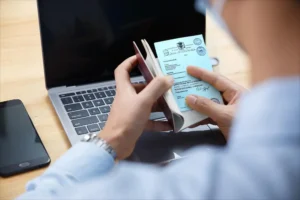
To apply for Spanish residency online is not just convenient—it’s essential if you’re already in Spain or planning to stay long-term. The digital route speeds things up, reduces paperwork and helps you avoid unnecessary in-person visits. But not all cases qualify, and each one demands precision.
Who can apply for residency in Spain?
Not everyone qualifies to submit the residency application online. Your eligibility depends on your nationality, the type of residence permit, and your current legal situation in Spain.
Table: Eligibility overview
| Applicant Type | Can Apply Online? |
|---|---|
| EU/EEA/Swiss citizens | No (in-person only) |
| Non-EU first-time residency applicants | No (via consulate only) |
| Renewal of residence permits | Yes |
| Modifications to permits | Yes |
| TIE (Foreigner ID Card) replacement | Yes |
If you apply from abroad, you’ll usually need to start with a visa request through a consulate. Online submission becomes relevant once you reside legally in Spain.
What documents do you need?
The digital platform requires specific documents. These must be uploaded in PDF format, clear and legible. Keep everything prepared before starting.
You’ll need:
- Valid passport
- Current residence permit (if any)
- Proof of income or savings
- Health insurance documents
- Padron certificate (empadronamiento)
- Application form (specific to your request)
Students must add proof of enrollment. Workers need their employment contract. Retirees should show pension income. Each case is different.
If your documents are in another language, you must attach a sworn translation. Incomplete files often lead to automatic rejection.
How to start the online application
To apply online, you need a digital certificate or Cl@ve PIN. Without it, you can’t access the immigration platform (Mercurio).
Steps:
- Log into Mercurio with your certificate
- Choose the type of procedure (renewal, modification, etc.)
- Fill in the form
- Attach required documents (PDF format)
- Submit and download your receipt
This receipt includes a submission code. Keep it—authorities may request it later. You can also track your case online using this number.
What happens after you apply?
The Foreigners Office will review your file. If anything is missing, they’ll request additional documents (requerimiento). This stops the clock. You must reply within 10 days.
If the file is correct, a resolution arrives in a few weeks or months. It can be favorable (granting your request) or unfavorable (denial or inadmissibility).
Once approved, you’ll need a TIE appointment. That process must be completed in person and includes fingerprinting. Expect your physical card in about 30–45 days after the appointment.
Table: Estimated processing times
| Stage | Average Duration |
|---|---|
| Online submission | Immediate |
| Review and resolution | 1 to 3 months |
| Appointment availability (TIE) | 2 to 4 weeks |
| TIE card delivery | 30 to 45 days |
These times may vary depending on your province and workload of the immigration office.
Common mistakes to avoid
Most rejections come from avoidable errors. And once the administration denies your request, fixing it takes longer and becomes more expensive. Avoid shortcuts and prepare every step with care.
One of the most common mistakes is uploading blurry scans or incomplete documents. The platform may accept the upload, but the examiner will reject it internally. Every file must be legible, complete, and in the format required—usually PDF, under 10MB, and with proper naming conventions.
Another pitfall is using outdated forms. For example, the EX series changes regularly, and some offices won’t process requests made with versions that are even a few months old. Always verify that you’re using the current version from the official source.
Don’t ignore requerimientos—those notices the administration sends when something is missing or needs correction. Failing to answer in time (usually 10 working days) means automatic withdrawal of your file. Many applications fail here, even when everything else was correct.
Missing translations or apostilles is another silent killer. If you present foreign documents without sworn translations into Spanish or required apostilles, the system may let you proceed—but the final decision will be a denial. Always review the origin, language, and legal standing of every document you submit.
And of course, missing legal deadlines—for renewals, responses, or appeals—can derail your entire process. Unlike in other countries, Spanish authorities rarely grant grace periods. One day late can mean starting over.
Finally, don’t assume renewals are automatic. Authorities evaluate each case in detail: income, social security payments, insurance coverage, and integration. Even if you’ve had a card before, each renewal is a new test.
Understanding these mistakes—and preparing to avoid them—is just as important as filling out the forms. In immigration law, what you overlook can cost you years.
What if you don’t qualify for online application?
If you’re applying for residency for the first time and you’re still outside Spain, you cannot start online. You must go through the Spanish consulate or embassy in your home country. This is especially true for visas like work permits, non-lucrative residency, or student stays. The consulate handles both the visa approval and the preliminary residency authorization.
You’ll still need most of the same documents: a valid passport, proof of financial means, medical insurance, and a clean criminal record. However, the process follows consular protocols, and deadlines vary by country. It’s not uncommon for consular appointments to be delayed for weeks or even months.
Once your visa is approved and you’ve entered Spain legally, the story changes. Most renewals, modifications, or extensions can move to the online platform if your file meets the technical and legal requirements. For example, if you’re switching from a student permit to a work permit, or renewing a family reunification card, the online route becomes available—but only if your documentation is accurate, complete, and adapted to the new request.
Many applicants assume the process becomes easier once inside Spain. But digital platforms reject files for formatting issues, document expiry, or incomplete uploads. That’s why transitioning to online procedures requires more than uploading PDFs—it requires a clear strategy, precise sequencing, and deep knowledge of what each regional extranjería office expects.
In short, starting from abroad requires a consular path, but once you’re legally in Spain, a well-prepared online submission can simplify your future immigration steps—if you know exactly how to handle it.

Frequently asked questions about apply for Spanish residency online
Can I apply for Spanish residency online if I’ve never lived in Spain before?
No, you can’t. The online residency platform is only for people already residing in Spain legally. First-time applicants must begin the process from their home country. This usually involves applying for a visa through the Spanish consulate and entering Spain under a legal residence status. Once inside Spain, and after fulfilling the required residence time, you may qualify to renew or modify your status online. But initial applications, such as work or student visas, always require a consular process—not an online one.
What happens if I apply online with incomplete or incorrect documents?
Your file will be marked as incomplete, and the authorities will issue a requerimiento—a formal request for missing or corrected information. This pause interrupts the resolution timeline. You’ll have 10 business days to respond, and failure to do so leads to automatic denial. Even small mistakes like an unsigned form or blurry scan can trigger rejection. That’s why many applicants consult a legal expert to check the documentation before submission. Once denied, reopening the process becomes more complex and time-consuming.
Can I apply for Spanish residency online from a mobile device?
Technically yes, but it’s not recommended. The platform works best on a desktop browser, and uploading documents often fails on smartphones or tablets. You also need a digital certificate or Cl@ve PIN, which are easier to manage on a computer. Moreover, forms may need to be filled, signed, and saved in specific formats (e.g., PDF under 10MB), and these tasks can be difficult from a mobile device. If you’re serious about your application, complete the entire process from a desktop or laptop with secure access.
Is it possible to speed up the process once I apply for Spanish residency online?
There’s no official way to accelerate your case. However, submitting a complete, well-prepared file avoids delays. Provinces with less administrative overload may process faster, but this depends on the local Foreigner’s Office. If you receive a requerimiento, respond immediately. For urgent cases—such as expiring permits—you can submit a justification for priority treatment, but acceptance isn’t guaranteed. Remember: digital errors or incomplete uploads will only slow you down. Legal guidance helps you avoid these pitfalls and save months.
Which law regulates the process to apply for Spanish residency online?
The legal basis comes from several overlapping laws. The most relevant for online residency applications is Organic Law 4/2000 on the rights and freedoms of foreigners in Spain, along with Royal Decree 557/2011, which details its implementation. These texts set the rules for how foreigners apply, renew, or modify their legal status. For online processing specifically, the Mercurio platform operates under Spain’s Ministry of Inclusion, Social Security and Migration, which controls the administrative tools used for digital submissions across provinces.
Don’t let the system fail you—play smart
The process to apply for Spanish residency online may seem simple. But even the smallest oversight—a late submission, a missing apostille, or a mistyped NIE—can derail your case entirely. Bureaucracy in Spain is not forgiving, especially when your digital file doesn’t meet the system’s exact standards.
Each region applies its own criteria. What works in Valencia may not pass in Barcelona. A form accepted last year might now be outdated. These shifting details make it hard to apply with full confidence—unless you know the terrain.
That’s where legal expertise changes everything.
Immigration Lawyer Barcelona doesn’t just fill out paperwork. They prepare your application with foresight, flag the weak points, and adjust each document to meet both national law and local practice. Their team knows which provinces are backlogged, which documents trigger delays, and how to avoid the errors that ruin hundreds of files each month.
Your residency file isn’t just a digital folder. It’s the gateway to working legally, accessing public services, or reuniting with your family. When the stakes are this high, guessing is too risky.
Get it right the first time. Plan well. Submit with confidence. And let your residency be the start of a stable life in Spain—not the source of endless complications.