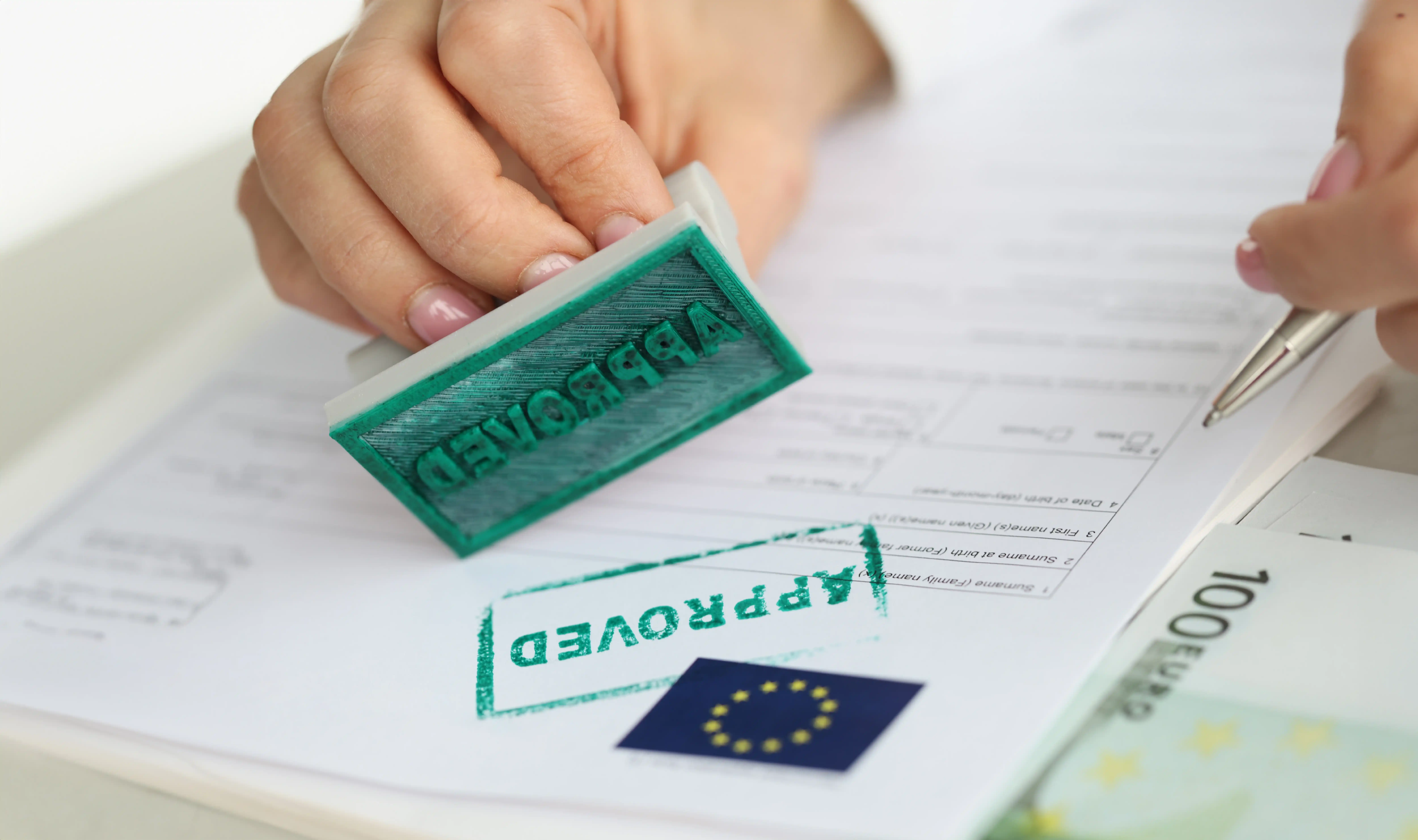
If you’re planning to live in Spain for more than three months as an EU citizen, obtaining the EU registration certificate Spain is essential. This document confirms your legal residence and gives access to vital rights such as healthcare, employment, and education. It’s not a formality—it’s a legal requirement. And the sooner you begin, the better.
What is the EU registration certificate?
The EU registration certificate is a mandatory paper document issued to citizens of the European Union, the EEA, or Switzerland. It includes your NIE number, full name, nationality, address in Spain, and the date of registration. Most people call it the green NIE due to its format and colour.
Without this certificate, you cannot legally reside long-term in Spain, nor register for public services. It’s different from a TIE card or a non-EU residence permit—this one applies only to EU nationals and their family members.
Who must apply for the certificate?
Every citizen from the EU, EEA, or Switzerland planning to stay in Spain for more than 90 days must apply for the EU registration certificate Spain. The requirement applies across the board—whether you come to work, study, retire, or simply live with family.
It makes no difference if your stay is temporary or indefinite. Once you exceed the 90-day mark, you must register your presence formally. This registration is what gives you access to fundamental rights like healthcare, employment, education, and social security.
Failing to register doesn’t just break the law—it complicates your daily life. Without the certificate, you may face rejection from employers, trouble opening a bank account, or delays enrolling children in school. You could also find yourself unable to access public healthcare or rent a home through formal channels.
The rule is clear: intention to stay beyond three months equals obligation to register. Taking care of it early avoids legal uncertainty and simplifies every aspect of your stay in Spain.
Eligibility based on your profile
The certificate is not automatic. You must prove your legal situation in Spain. Depending on your case, the required documents vary.
Eligibility overview:
| Applicant profile | Basic conditions required |
|---|---|
| Employed | Job contract or employer declaration + social security registration |
| Self-employed | Proof of business registration + social security enrollment |
| Student | Enrolment + health insurance + financial means |
| Economically independent | Financial means + full health insurance |
| Family member of EU citizen | Proof of relationship + financial dependence + insurance |
Each group must provide documentation specific to their status. Failing to justify your case may delay or block the process.
Required documents for the application
The documentation must be original and translated into Spanish by a sworn translator, unless it’s an EU multilingual standard form. Legalisation may also be required, depending on your country of origin.
Key documents to prepare include:
- Passport or national ID (original and copy)
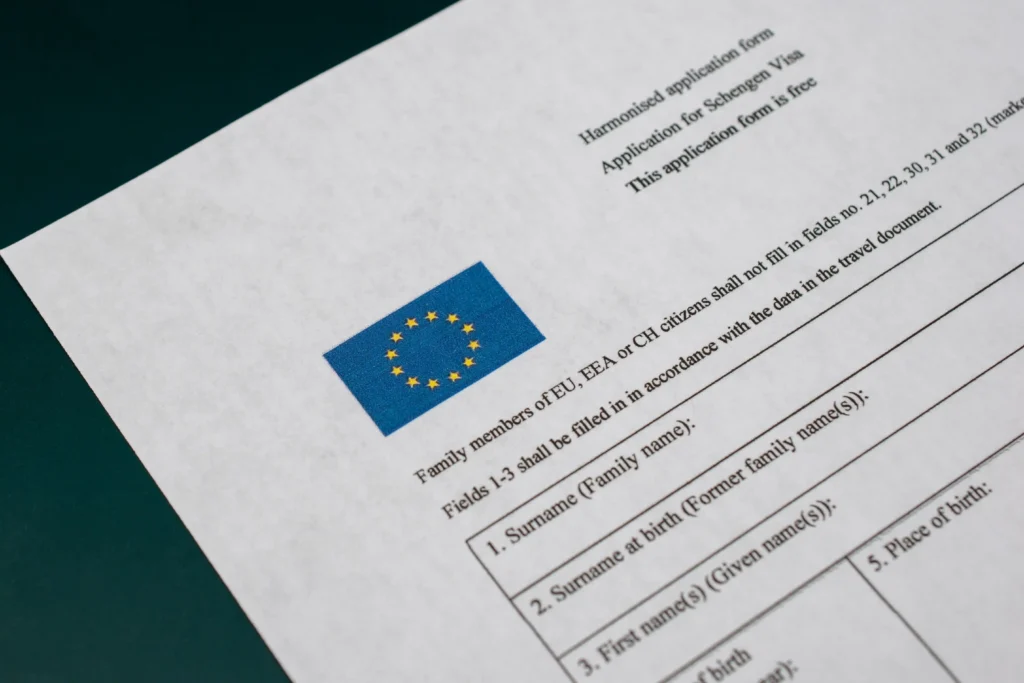
- Completed EX-18 application form (in duplicate)
- Proof of employment, enrolment, or economic self-sufficiency
- Proof of health insurance coverage
- Payment receipt for the administrative fee (Form 790, Code 012)
Some applicants may also need to provide proof of address registration (padrón), particularly if the address differs from previous registrations.
How and where to submit your application
You must submit your application in person at the nearest designated police station or immigration office. The process includes several steps, and missing any one of them could result in delays.
Application process overview:
| Step | Action required |
|---|---|
| 1 | Gather documents + complete EX-18 form |
| 2 | Request appointment online (via the government appointment system) |
| 3 | Pay the administrative fee (online or at a bank) |
| 4 | Attend the appointment and submit documentation |
| 5 | Receive your certificate immediately if approved |
Appointments can be hard to get in large cities like Barcelona or Madrid. Book yours as soon as you arrive.
How long does the certificate last?
The initial EU registration certificate Spain has no expiry date. Once issued, it confirms your legal residence as long as you continue meeting the conditions under which it was granted—whether you’re employed, self-employed, studying, or economically independent.
However, maintaining legal residence involves more than just staying in the country. You must avoid long absences from Spain, continue fulfilling the financial or work-related conditions, and stay registered at your local address. If authorities detect that you’ve ceased to meet the original criteria, they could question the validity of your residency.
After five uninterrupted years of legal residence, you gain the right to apply for permanent residence status. This offers a more stable legal footing. At that point, you no longer need to prove employment or financial resources. Your status becomes more secure and less dependent on changes in your income or professional situation.
While the initial certificate remains valid, upgrading to permanent residence gives you stronger protections, especially in the face of administrative changes, job loss, or future immigration procedures. It’s a step worth taking for anyone planning long-term life in Spain.
Common errors to avoid
Many applicants confuse the NIE number with the registration certificate. The NIE is a number. The certificate is a legal document proving residency. You need both—but they are not the same.
Another common mistake is assuming that minimal income or travel insurance is enough. Spanish law requires comprehensive health coverage and proof of financial resources that won’t burden the welfare system.
Missteps also include showing up without an appointment or submitting documents without proper translation or apostille. These details can cost you weeks.
Frequently asked questions about EU registration certificate Spain
Can I apply for the EU registration certificate Spain if I am looking for a job?
Yes, but the process becomes more complex. Simply being in Spain while looking for work does not automatically entitle you to the EU registration certificate Spain. You must demonstrate that you are actively seeking employment and have a genuine chance of being hired. Authorities might ask for proof of job interviews, applications submitted, or even participation in employment support programs. In addition, you need to show that you have sufficient financial means and valid health insurance during this period. If you don’t meet these conditions, your application may be refused or postponed.
What happens if I overstay the 90-day period without the EU registration certificate Spain?
If you are an EU citizen and stay longer than 90 days without applying for the EU registration certificate Spain, you risk administrative complications. Technically, you are no longer lawfully residing in the country. This may prevent you from registering at the town hall, accessing healthcare, signing a rental contract, or even renewing your employment contract. Although you won’t be fined immediately, Spanish authorities can consider your stay irregular. This could affect future immigration processes. Applying within the first three months shows good faith and avoids legal headaches.
Can family members apply at the same time as the EU citizen?
Yes, but only if they qualify under the same conditions. A spouse, registered partner, dependent child, or parent can submit their application for the EU registration certificate Spain alongside the main EU applicant. However, they must provide additional documents proving the family relationship and economic dependence. It’s not automatic—each family member must show that the EU citizen meets the legal requirements (employment, self-sufficiency, or student status). If the family member is a non-EU national, they will need a residence card as a relative of an EU citizen, which is a different procedure altogether.
Does the EU registration certificate Spain allow me to work in any region?
Yes, once you obtain the EU registration certificate Spain, you can live and work freely in any part of the country. Spain does not impose regional limitations on internal movement for EU citizens. You may change cities, employers, or provinces without needing to update your certificate, as long as your new activity remains within the conditions under which it was granted (employment, self-employment, study, or sufficient resources). Only if you change your primary address and had previously registered under a different one, local authorities may ask you to update your registration accordingly.
What law regulates the EU registration certificate Spain and who oversees the process?
The EU registration certificate Spain is governed by Royal Decree 240/2007, which transposes EU Directive 2004/38/EC into Spanish law. This decree outlines the rights of EU citizens and their family members to reside and work in Spain. The body in charge of processing and issuing the certificate is the National Police, specifically through its immigration units at the Foreigners’ Offices (Oficinas de Extranjería). Although the law applies nationally, each province may interpret documentation and appointment systems slightly differently, which is why local expertise is often necessary to navigate the process efficiently.
Don’t improvise on immigration paperwork
Getting the EU registration certificate Spain may seem straightforward, but it’s a legal process with no room for improvisation. One missing document can result in lost time—or outright rejection.
If you’re planning to settle in Spain for work, studies, or retirement, take this process seriously. Have your documents reviewed. Understand what proof is accepted. Prepare for regional variations in documentation and appointment availability.
Immigration Lawyer Barcelona works exclusively on these matters every day. Their expertise can help you avoid delays, ensure compliance, and defend your case if authorities raise objections. They understand how each office works, what paperwork carries weight, and how to structure your file for success.
This certificate opens the door to your legal life in Spain. Don’t take shortcuts. Let professionals handle the details so you can focus on building your future with confidence.