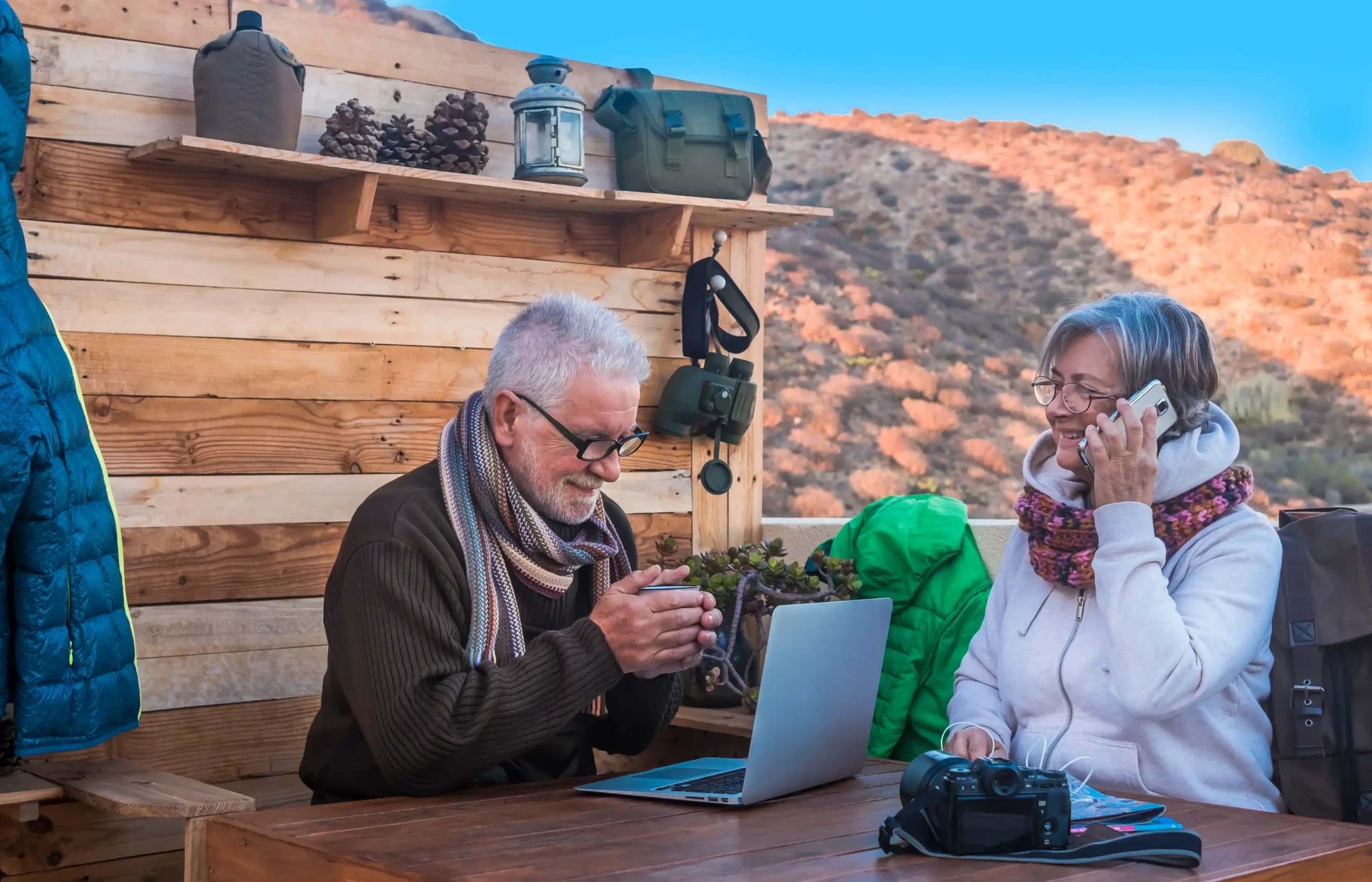
Spain’s digital nomad visa explained in this guide is more than paperwork—it’s a doorway to Mediterranean life with tax breaks, EU mobility, and legal certainty for remote workers.
If you already work online, this visa lets you do so from Spain while enjoying sun, safety, and solid infrastructure. But only if you qualify and follow the process correctly.
Let’s break it down from eligibility to application.
What is the Spanish digital nomad visa?
This visa allows non-EU citizens to live in Spain while working remotely. The work must be for companies or clients outside Spain.
Part of Spain’s Startup Law, it was designed to attract international talent. Unlike a tourist or non-lucrative visa, it grants legal work status. And it lets you stay for years.
Depending on where you apply, you’ll get either a one-year visa (if applying from abroad) or a three-year residence permit (if applying from Spain). Both options are renewable.
Your family can join. You can access healthcare. You can move across the EU. And you may even qualify for permanent residence later.
Who can apply for Spain’s digital nomad visa?
This visa targets remote employees and freelancers. However, specific criteria apply. Meeting them all is key to approval.
Let’s take a look:
| Requirement | Details |
|---|---|
| Nationality | Non-EU/EEA citizens only |
| Job status | Remote worker (employee or freelancer) |
| Company location | Outside Spain |
| Spanish income limit | Max 20% of total income from Spanish clients |
| Income threshold | At least €2,646/month or €31,752/year (200% IPREM) |
| Contract history | At least 3 months with current employer or clients |
| Company activity | Minimum 1 year of operation for employer or main client |
| Experience or education | Degree or 3 years of relevant work experience |
| Criminal record | Clean, with apostilled certificate and sworn translation |
| Health insurance | Full coverage in Spain from a recognized insurer |
Make sure your documents are current, apostilled, and professionally translated. Incomplete files often lead to rejections or delays.
Where and how to apply
You have two routes—apply from abroad or from inside Spain. The rules change depending on your choice.
From outside Spain:
You apply at the Spanish consulate in your home country. If approved, you receive a one-year visa. Once in Spain, you switch to a residence card.
From within Spain:
You enter on a tourist visa. Then, apply directly at the UGE (Large Companies Unit). If approved, you receive a three-year residence card.
The application is online. If filed from Spain, you get faster processing and a longer permit from the start.
Documents you must include
Gathering the right documents takes time. Don’t rush. This step defines your entire case.
You’ll need:
- Valid passport
- Application form
- Proof of remote work
- Proof of income (contracts, invoices, bank statements)
- Certificate of incorporation (for company or clients)
- Criminal background check
- Sworn translations
- Health insurance policy
- Proof of education or work experience
- Proof of address in Spain (if applying from within)
Freelancers also need a portfolio or additional proof of activity.
Employees must submit a signed employer letter stating remote status, duties, and confirmation that the job does not require physical presence.
What about taxes?
Spain offers a special tax regime for digital nomads. It’s known as the Beckham Law.
This regime lets eligible applicants pay a flat 24% on foreign income up to €600,000/year. That’s much lower than Spain’s progressive tax rates for residents.
| Income Level | Regular Resident Tax | Beckham Law Rate |
|---|---|---|
| Up to €12,450 | 19% | 24% |
| €12,451 – €20,200 | 24% | 24% |
| €20,201 – €35,200 | 30% | 24% |
| €35,201 – €60,000 | 37% | 24% |
| Over €60,000 | 45%-47% | 24% (up to limit) |
Note: Only employees qualify for the Beckham Law. Freelancers pay under Spain’s general tax regime and must register as autónomos.
Can your family join you?
Yes. Your spouse and children can apply with you or reunite later. They receive dependent residence cards and can work in Spain.
However, you must show extra financial support. Add 75% of the IPREM for the first dependent and 25% for each additional one.
If you’re self-employed, Spanish authorities will assess your long-term income stability more closely.
How long does the visa last?
That depends on where you apply:
- If you apply from abroad: one year (renewable in Spain)
- If you apply from Spain: three years (renewable for two more)
After five years of legal residence, you can apply for permanent residency. After ten (or just two for Latin Americans), you can apply for Spanish citizenship.
Can you travel across Europe?
Yes. The digital nomad visa gives you residency in Spain. That means you can travel visa-free throughout the Schengen Area.
However, to maintain your Spanish residence, don’t stay outside Spain more than 6 months in a year—or 10 months in 5 years.
What can go wrong?
Plenty. Even small errors can derail the process.
Common issues include:
- Missing apostilles or sworn translations
- Incomplete contracts
- Criminal record not properly legalized
- Inadequate income proof
- Employer letters lacking required language
- Missed deadlines or wrong application platform
- Exceeding the 90-day tourist period before applying
Spain’s bureaucracy is strict. A rushed or unprepared file wastes your time—and possibly your chance.

Frequently asked questions about Spain’s digital nomad visa explained
Can I switch to another type of residence permit after getting the digital nomad visa?
Yes, Spain’s digital nomad visa explained under the Startup Law allows future transitions. After obtaining the digital nomad permit, you may change your residence status if your situation evolves. For example, if you create a business in Spain, you could switch to an entrepreneur visa. Or if you receive a local job offer, you could change to a work permit for employees.
However, you must submit the new application before your current visa expires. Spanish authorities will evaluate your new status based on updated requirements. You don’t need to start over from zero, but the criteria for the new permit must be met in full. That’s why early planning helps.
Do I need to register as self-employed in Spain if I’m a freelancer?
It depends. Spain’s digital nomad visa explained for freelancers doesn’t always require immediate registration as autónomo (self-employed). If you’re only working with foreign clients and don’t generate Spanish income, you may avoid full registration initially. However, registering often helps with legal clarity, tax reporting, and healthcare access.
You’ll still need to prove consistent income, contracts with non-Spanish companies, and meet all thresholds. Registering also gives you access to Spain’s social security system, which includes public healthcare and pension contributions. Each case is different, so a legal review of your income structure is wise.
Can I rent property or sign long-term leases with this visa?
Yes, absolutely. Spain’s digital nomad visa explained through real-world use includes full legal residency rights. This means you can rent housing, sign contracts, open utility accounts, and enroll in local services. Landlords may request your NIE (Foreigner Identification Number), proof of income, or your residency card (TIE).
Many digital nomads prefer long-term rentals to benefit from better rates and stability. Keep in mind that in cities like Barcelona or Madrid, you may face higher demand and paperwork. In smaller towns, the process is more flexible but often requires Spanish-speaking support.
What happens if I leave Spain for extended periods during the visa?
This visa is designed for people based in Spain—even if they travel often. Spain’s digital nomad visa explained in terms of continuity requires physical presence for most of the year. If you leave Spain for more than 6 months in a calendar year, you could lose residency continuity. This affects both renewal and eligibility for permanent residency later.
The exception is justified travel for professional reasons, but you must document this carefully. If you spend over 10 months abroad in the first five years, you may be disqualified from applying for long-term residency. So even as a remote worker, you need a legal home base.
What law regulates Spain’s digital nomad visa and who is responsible for approvals?
Spain’s digital nomad visa explained legally falls under the Startup Law (Ley 28/2022, de 21 de diciembre). This legislation promotes the ecosystem for startups and international talent, including remote workers. It updated and extended the previous Ley 14/2013 on entrepreneurship and innovation.
The Unidad de Grandes Empresas y Colectivos Estratégicos (UGE) handles most in-country applications. For those applying abroad, Spanish consulates manage the process. Once approved, applicants receive a residence authorization for international teleworkers, legally distinct from tourist or student visas.
Always use certified translations and apostilled documents to meet Spain’s strict administrative standards.
The legal pathway to a lifestyle upgrade
Spain’s digital nomad visa explained here is not just another visa. It’s a shift in how and where you live, work, and plan your future.
But this shift needs structure. The right documentation, a legal strategy, and a clear timeline make all the difference.
You don’t just want a visa. You want a life in Spain—with the sun, the culture, and a status that won’t expire with your tourist stamp.
Immigration Lawyer Barcelona helps you move beyond guesswork. They align your goals with Spanish law, prepare your case with precision, and streamline every step—so your transition is smooth, strategic, and fully legal.
Are you ready to make that leap with confidence, or will uncertainty hold you back again?
Let the process reflect your professionalism. Build it right. Start strong. And let your journey begin on legal ground.